Overview

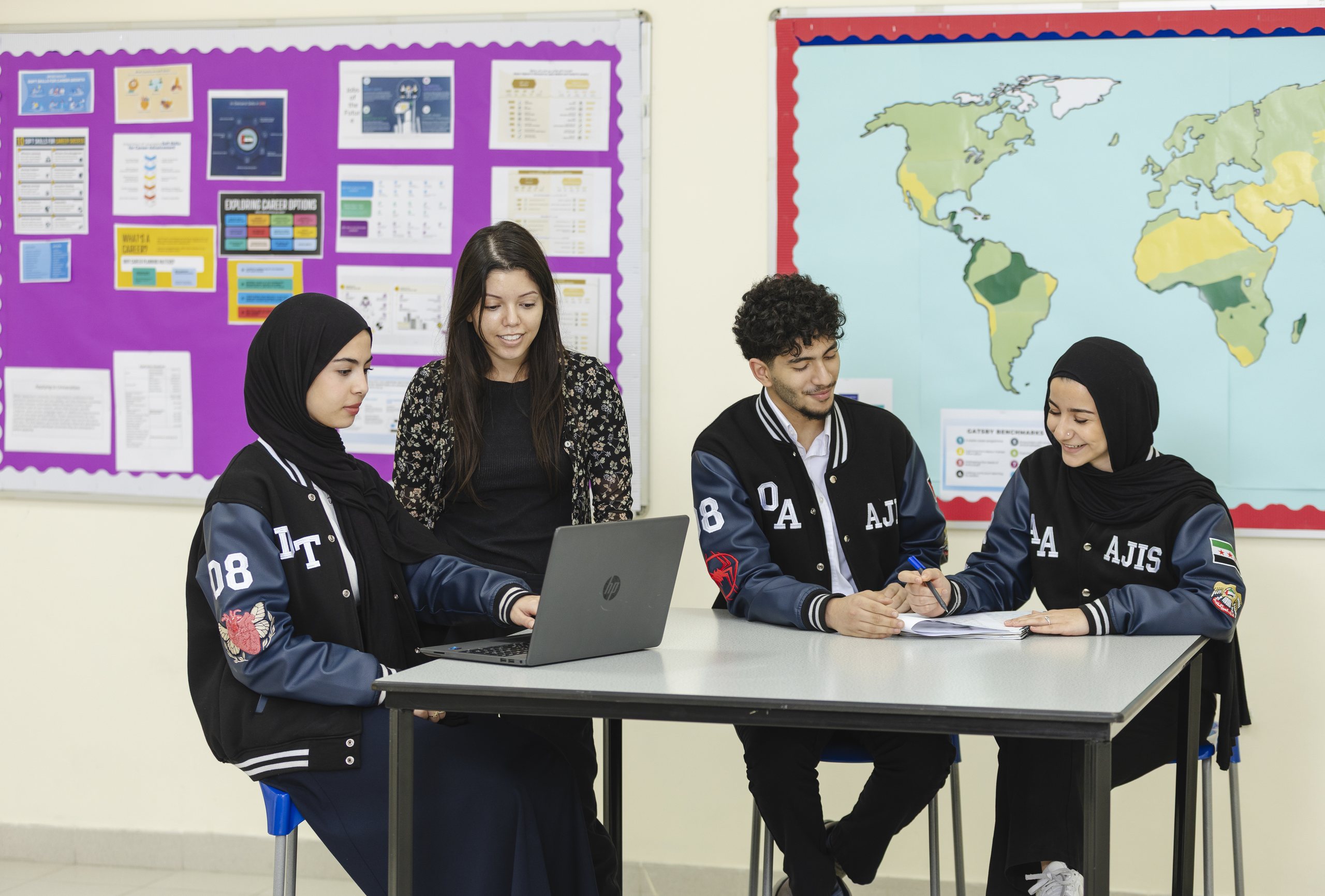
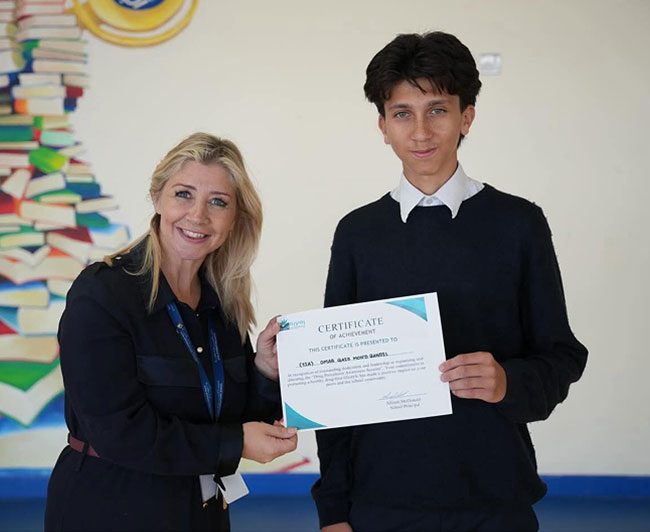
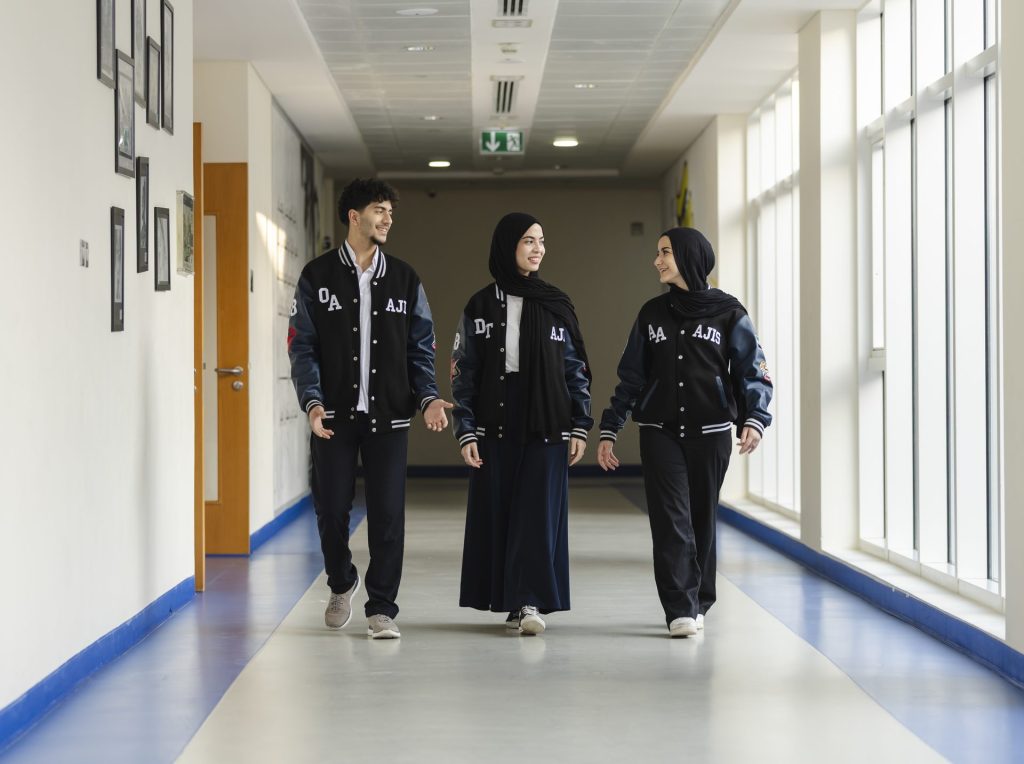
Ajyal International School MBZ provides a dynamic and inclusive Secondary education for students from Year 7 to Year 13 (ages 11-18), spanning Key Stages 3 to 5.
Rooted in the English National Curriculum, our Secondary programme combines expert subject-specialist teaching with a strong commitment to academic excellence and personal development. We empower students to grow into independent, resilient learners with a lifelong passion for learning.
Secondary school video preview

Meet the Secondary School Leaders

Mr. Peter Hartland

Mr. Peter Hartland

Head of Secondary
Curriculum Overview

Core Subjects:

  • English
  • Mathematics
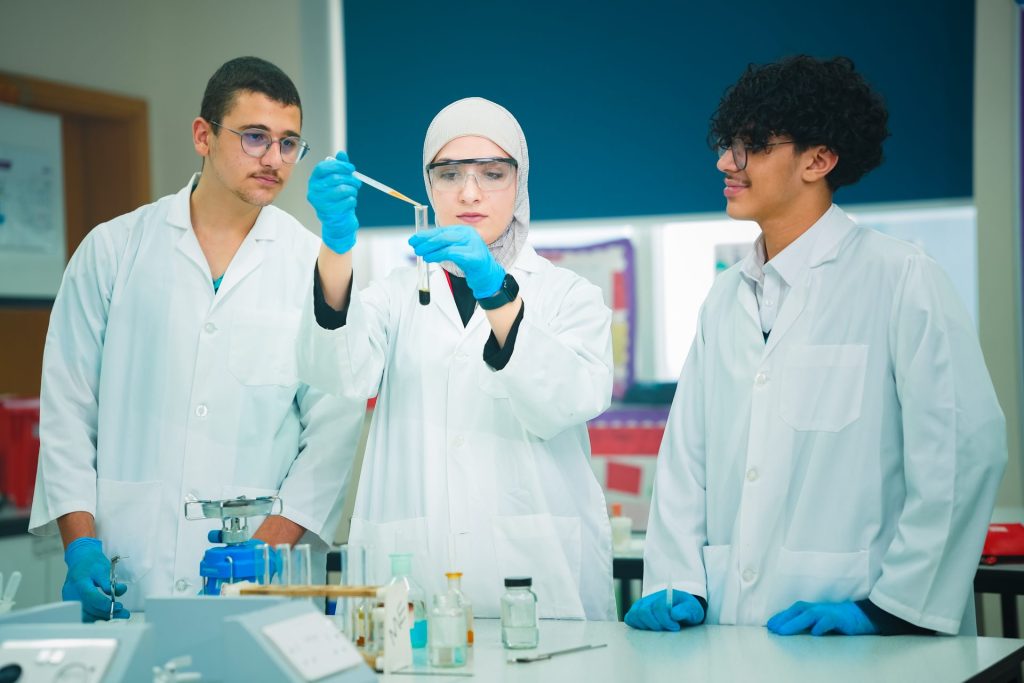
  • Science ( Biology, Chemistry, Physics. Environmental Management)

Foundation Subjects

  • Humanities (History & Geography, Sociology, Psychology, Business Studies & Accounting)
  • Computing, Computer Science, AI & Robotics
  • Art, Design Technology & Food Technology
  • Physical Education
  • Music

UAE Required Subjects

  • Arabic
  • Islamic Studies (for Muslim students)
  • Moral
  • Social & Cultural Studies

Our curriculum is broad and balanced, ensuring that students build strong literacy and numeracy skills while also developing creativity, critical thinking, and collaboration.

Teaching Approach & Methodology

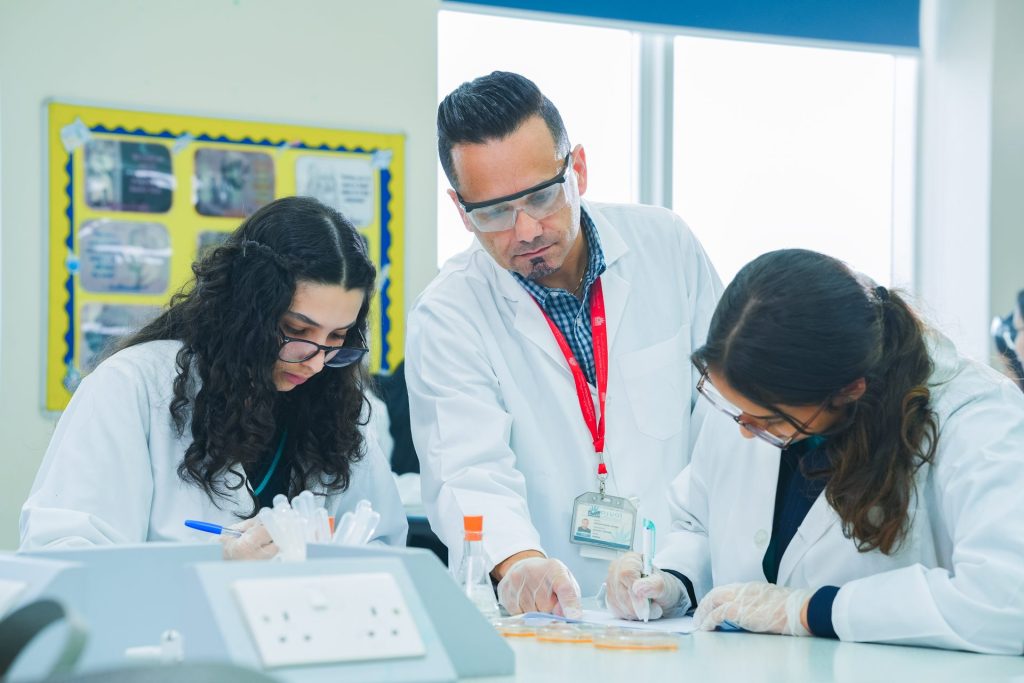
At Ajyal Secondary School, learning is

  • Student-centred and inquiry-based

  • Designed to promote critical thinking and problem-solving

  • Supported by differentiated instruction to meet individual needs

Teachers use a combination of

  • Direct instruction

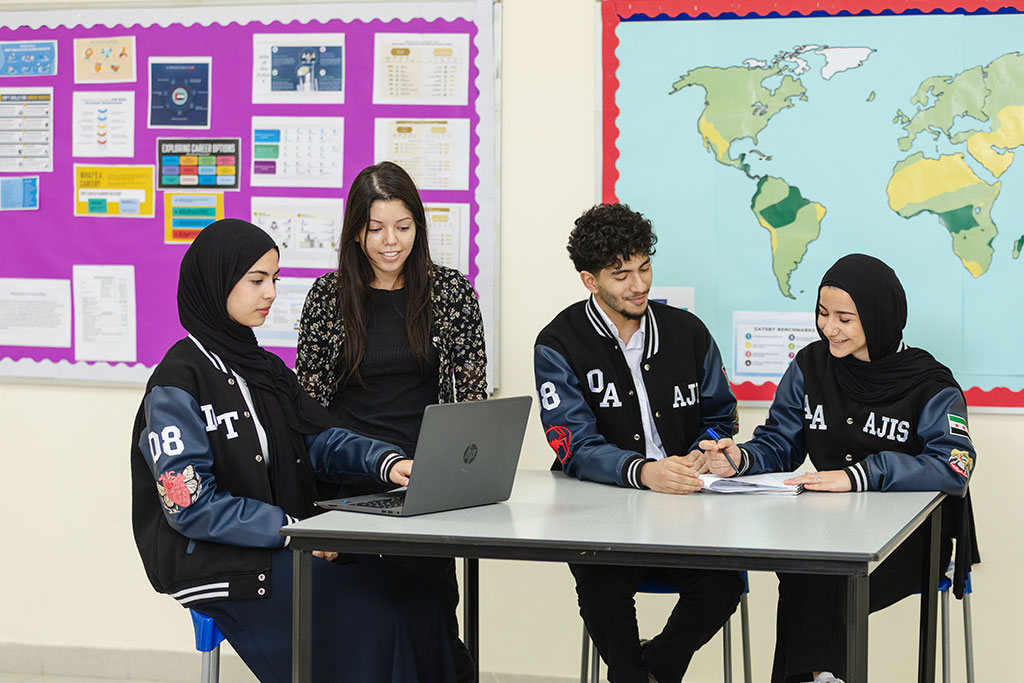
  • Collaborative group work

  • Practical activities

  • Technology-enhanced learning

  • Cross-curricular connections

We encourage students to ask questions, explore ideas, and take ownership of their learning.
Teaching Approach & Methodology

Class Structure & Support

Secondary classes are structured to ensure

Secondary classes are structured to ensure

  • Age-appropriate grouping by year level
  • Balanced class sizes
  • Positive teacher-student relationships
Learning Support

Learning Support

  • Differentiated classroom instruction
  • Small-group interventions
  • Learning support programmes

Classes are designed with small group sizes, allowing personalised attention and meaningful interactions between teachers and students. This structure supports confidence, engagement, and social skills.

Assessment and Reporting

Methods of Assessment:

  • Ongoing formative and summative assessment

  • Classwork and project-based tasks

  • End-of-unit evaluations

  • Internal assessments

  • Standardised assessments (where applicable)

Reporting to Parents

  • Regular progress updates

  • Parent-teacher meetings

  • Written reports

  • Ongoing communication via school platforms

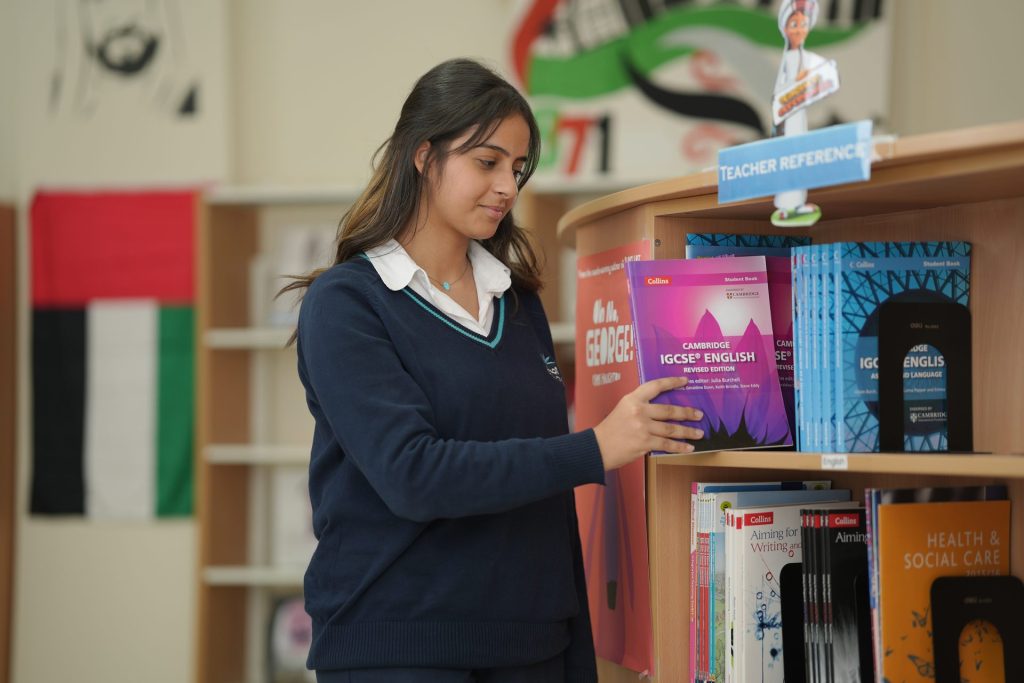
Assessment helps us track progress, identify strengths, and provide timely support where needed.
Assessment and Reporting

University & Alumni

Methods of Assessment:

  • Ongoing formative and summative assessment

  • Classwork and project-based tasks

  • End-of-unit evaluations

  • Internal assessments

  • Standardised assessments (where applicable)

Reporting to Parents

  • Regular progress updates

  • Parent-teacher meetings

  • Written reports

  • Ongoing communication via school platforms

Assessment helps us track progress, identify strengths, and provide timely support where needed.
University & Alumni
هذا الموقع مسجل على wpml.org كموقع تطوير. قم بالتبديل إلى مفتاح موقع إنتاجي لـ remove this banner.